
Longer reading
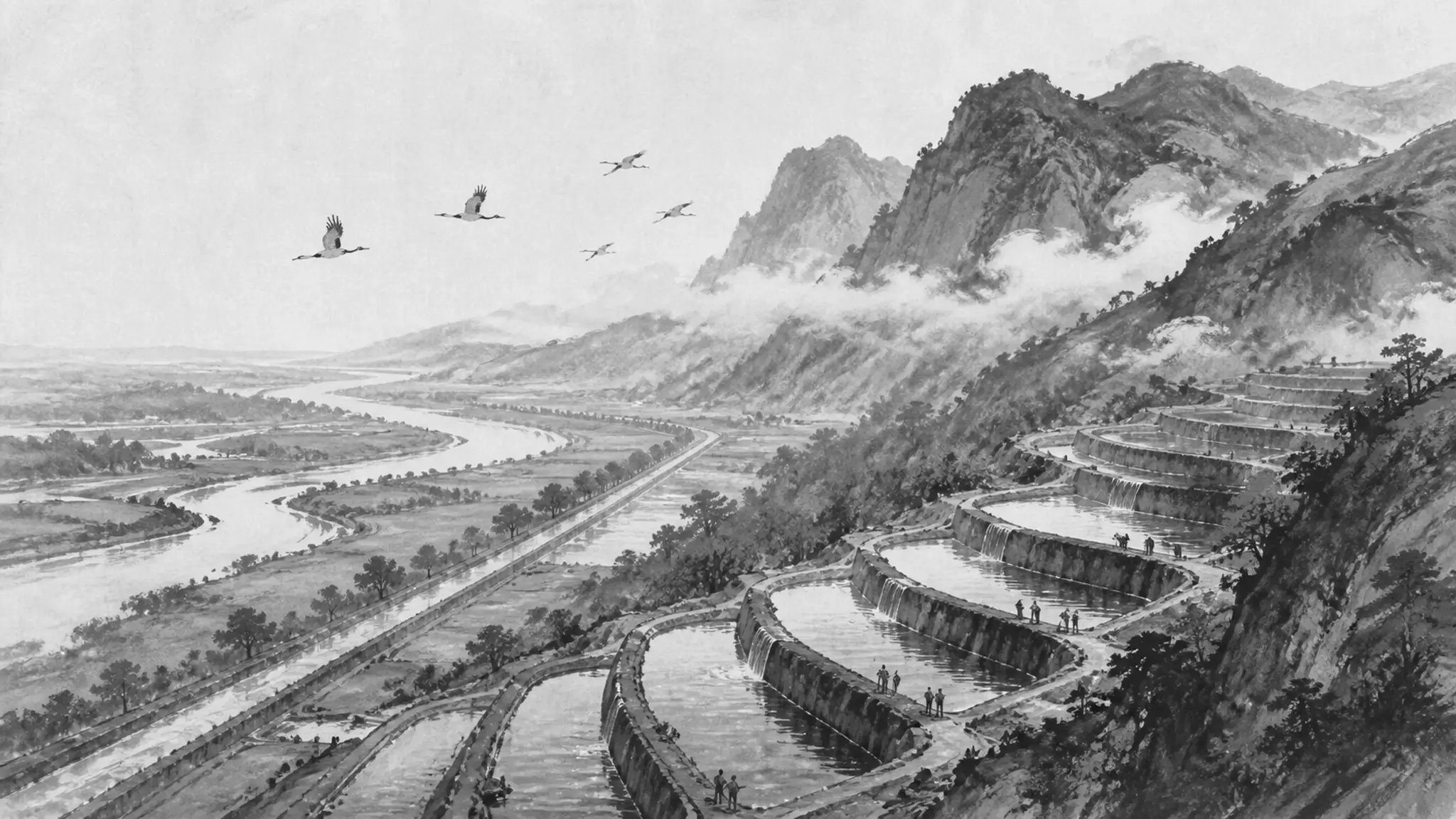
Basins Before Promises
Why land, water, housing, industry, and ecology have to be planned as one system.
The physical constraint
A region can only support so much housing, industry, water use, transport burden, and ecological stress before the promises begin contradicting each other.
Basin planning starts from that physical truth instead of pretending politics can negotiate with water.
Zoning as memory
Good zoning remembers why limits exist: flood risk, habitat, agriculture, transit access, industrial safety, and long-term maintenance.
Bad zoning either freezes everything forever or rewrites rules whenever pressure gets loud.
Correction
Basin review adapts as evidence changes. Adaptation stays public, reasoned, and tied to the whole basin rather than one parcel at a time.
The goal is not neat maps. The goal is fewer contradictions pushed onto future people.
The everyday stakes
Basin planning sounds technical, but the consequences are ordinary: flooded homes, dry wells, long commutes, unsafe industry placement, higher food costs, and regions that cannot maintain what they build.
Good planning is not anti-growth. It is a way to make growth less self-defeating.
The basin is where abstract promises become physical. If the water, land, transport, and energy math does not work there, the policy is borrowing credibility from the future.
GO DEEPER
Longer reads, and related texts.
- Longer readingThe Carbon Budget as Public MemoryHow carbon budgeting makes ecological limits visible across time instead of leaving them as vague intentions.
- ValoriaAtlas: Basins and CorridorsThe working geography of the model nation: basins, corridors, and the central confluence, as a planning sketch.
- EcologyInfrastructureEnergy, transport, water, communications, repair, and the corridors that connect regions.
- EconomyStrategic SectorsEssential sectors that need public oversight because their failure would threaten ordinary life.