
Longer reading
Due Process as Public Infrastructure
Why fair procedure is a basic public system, not a technical concern for lawyers only.
Procedure is where rights live
Procedure is where rights become real or disappear. A person can technically have rights and still lose if the process is confusing, slow, expensive, or biased.
Due process is therefore public infrastructure. It supports trust the same way roads, records, and power systems support daily life.
Civil and criminal standards
Civil process needs clarity, evidence, proportionate remedy, and timely resolution. Criminal process needs higher protections because the state is using its strongest powers.
Both systems need review because error is not rare enough to ignore.
Ordinary access
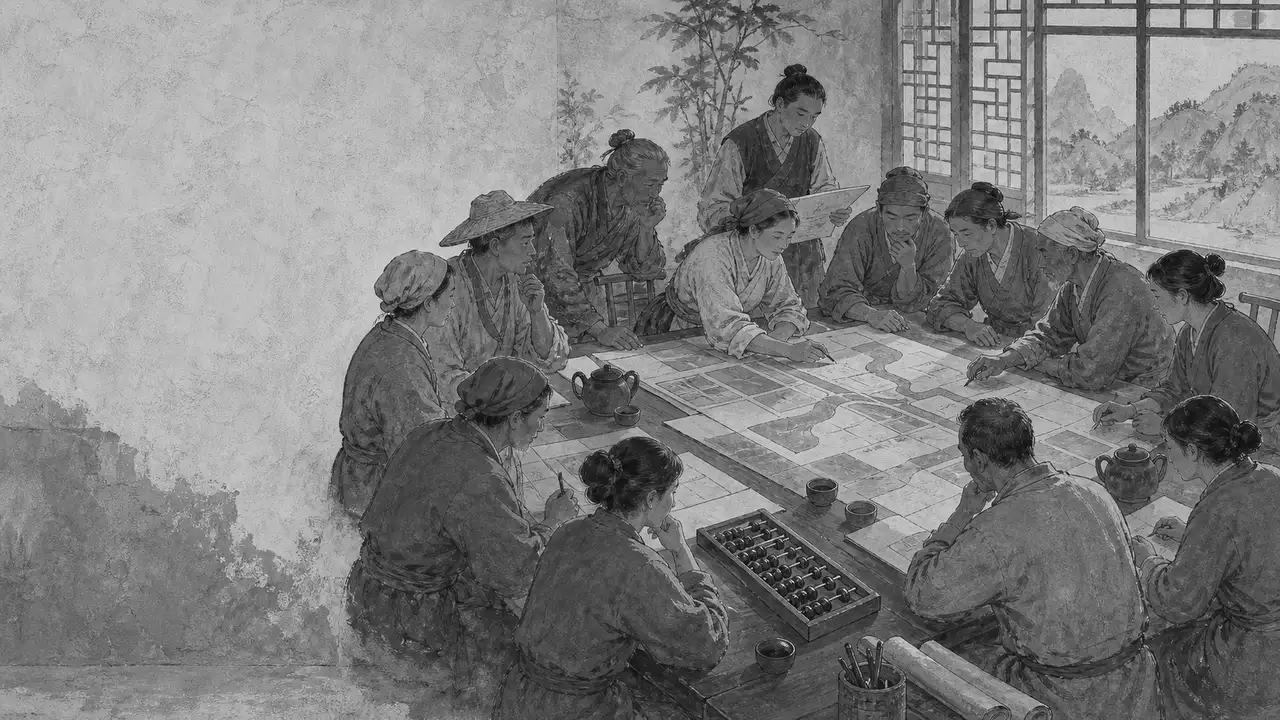
A fair process cannot require insider knowledge. People need plain notices, readable decisions, real appeal paths, and help understanding what is happening.
When procedure becomes a maze, power has already tilted.
Speed and care
Slow process can become denial, but rushed process can become abuse. The design problem is matching urgency to risk.
Routine disputes need timely resolution. Coercive action, detention, seizure, or serious rights limits need stronger proof, better records, and review before the state’s power becomes hard to undo.
GO DEEPER
Longer reads, and related texts.
- Longer readingRule of Law Without ArbitrarinessWhy legal reliability depends on limits, reasons, remedies, and predictable process.
- ValoriaCourts and ProcuracyThe separate roles of national courts and prosecutors, including boundaries on political interference.
- GovernancePublic KnowledgePublic intelligibility: decisions understandable, traceable, and open to meaningful oversight.
- GovernanceAccountabilityNamed responsibility, independent review, and mandatory institutional correction.