
Longer reading
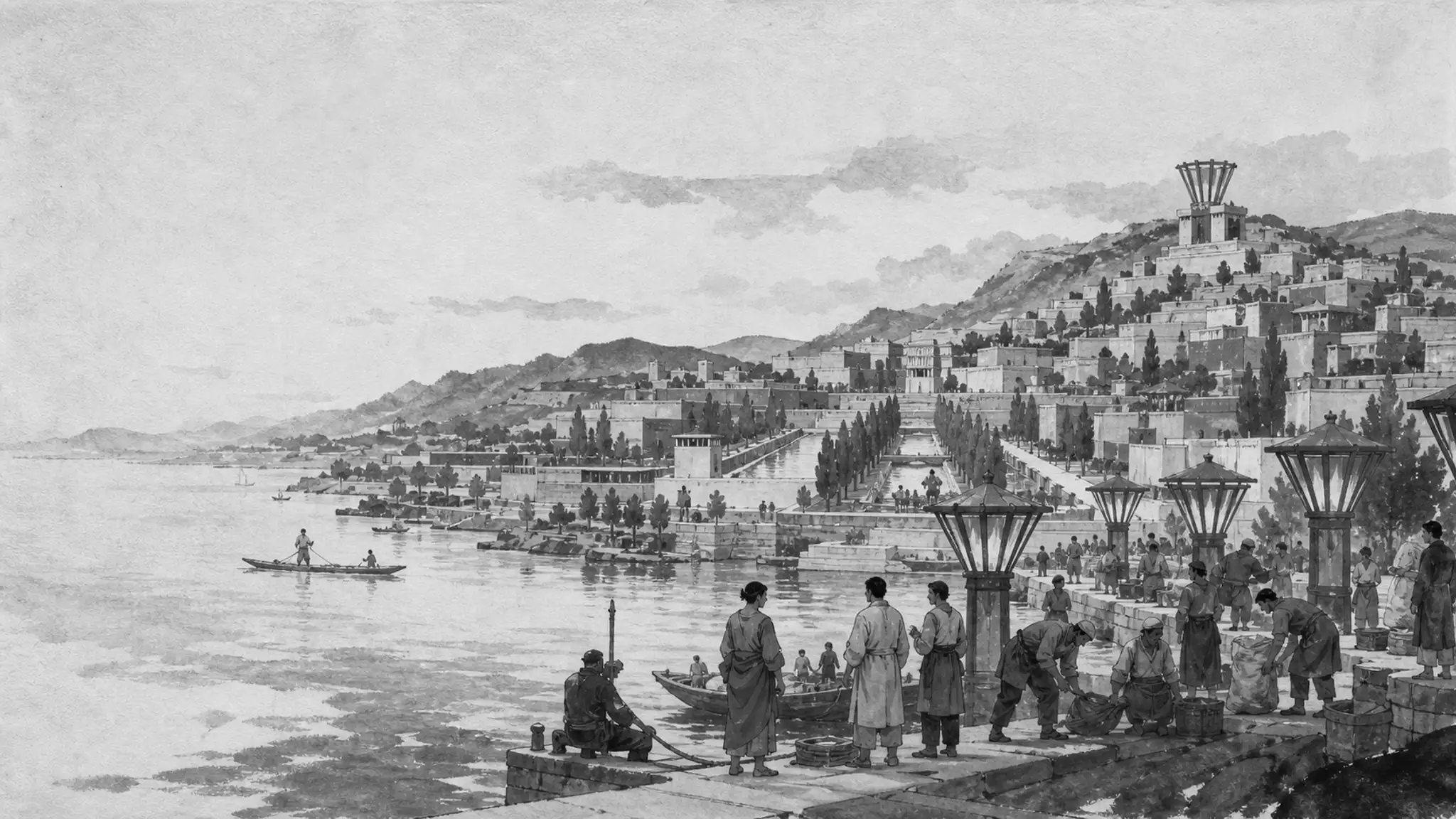
Valoria as a Model-State
Why Valoria is fictional, why that matters, and how simulation makes the doctrine more concrete.
Why fiction helps
Abstraction is where a doctrine hides. Valoria makes it face courts, schools, regions, budgets, infrastructure, ecological limits, and ordinary life at once.
That makes disagreement more useful. Readers can question a concrete institutional choice instead of arguing over a vague slogan.
What simulation tests
The simulation asks what breaks first under stress: legitimacy, courts, supply chains, ecological enforcement, public trust, or security boundaries.
The answer does not need to flatter the doctrine. If a simulated institution cannot correct itself under pressure, that is evidence against the design.
The boundary
Valoria is not presented as a real state, a campaign platform, or a universal template. It is a disciplined thought experiment with clear constraints.
The point is to make the ideology inspectable rather than mystical.
How readers should use it
The best use of Valoria is adversarial reading. Ask what happens when a court is slow, a region resists a mandate, a carbon limit collides with housing need, or a capable institution starts protecting itself.
If Valoria has an answer, the answer can be judged. If it does not, the gap becomes useful evidence for what the doctrine still has to solve.