
Life
Culture and Everyday Life
Everyday life in Valoria is about stability, public competence, learning, family autonomy, civic trust, and room for private meaning.
Life
Public reliability and private life
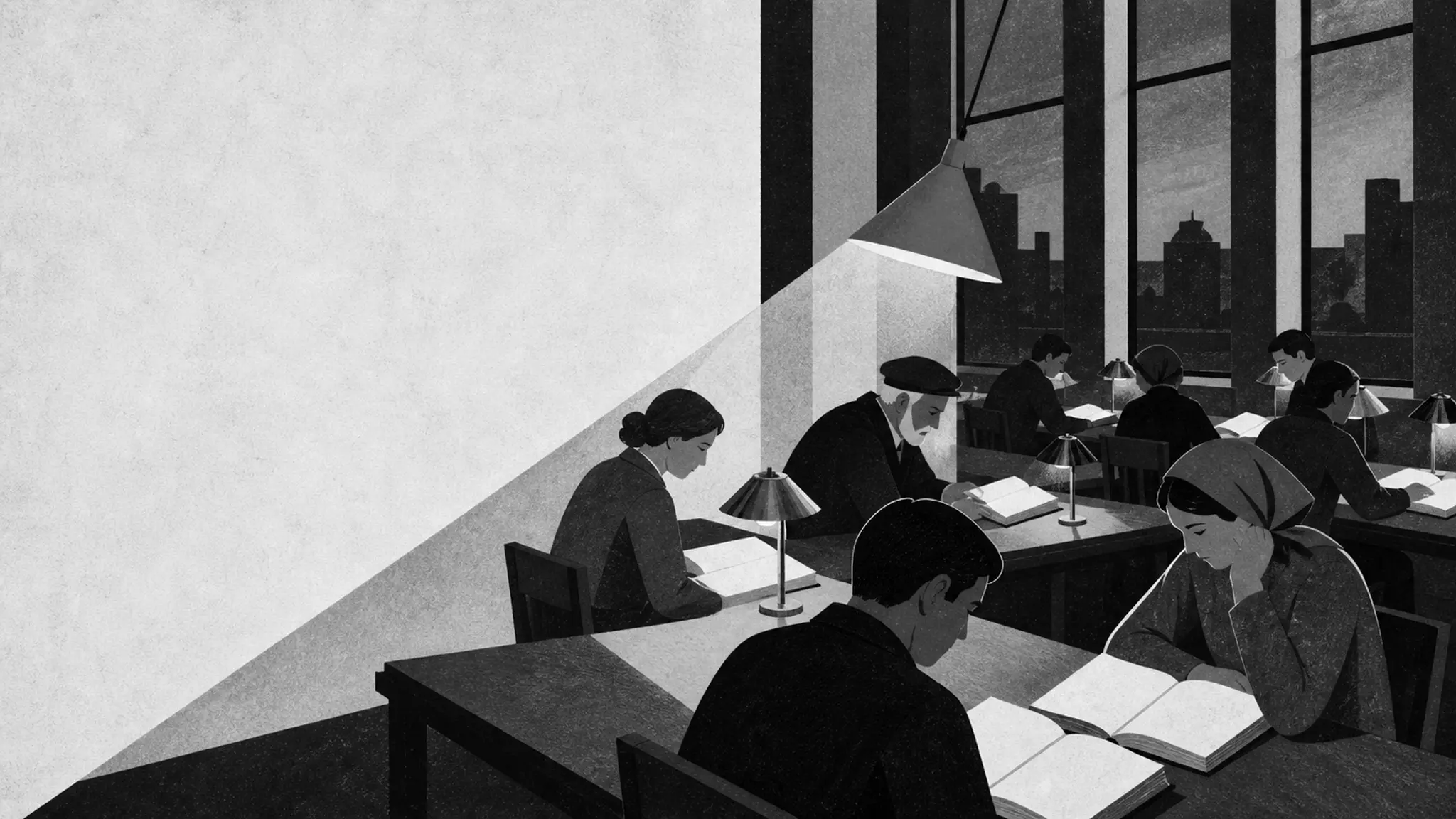
Institutions carry their share of life reliably, and leave the rest to the person living it.
A strong public system sounds suffocating. The boundary is written into the design: public responsibility provides the floor, and private life keeps the rest.
Public reliability
People are expected to interact with institutions that answer clearly, repair mistakes, and do not make ordinary life needlessly adversarial.
The basic cultural expectation is that public systems should be competent enough to fade into the background when life is normal.
Private meaning
The state is not treated as the source of personal meaning, spirituality, identity, or family purpose.
Valoria protects the conditions for private life without turning private life into a state project.
Civic tone
Civic life favors patience, skill, direct explanation, and the willingness to correct mistakes.
The culture is serious about institutions, but it should still be livable for ordinary people.
GO DEEPER
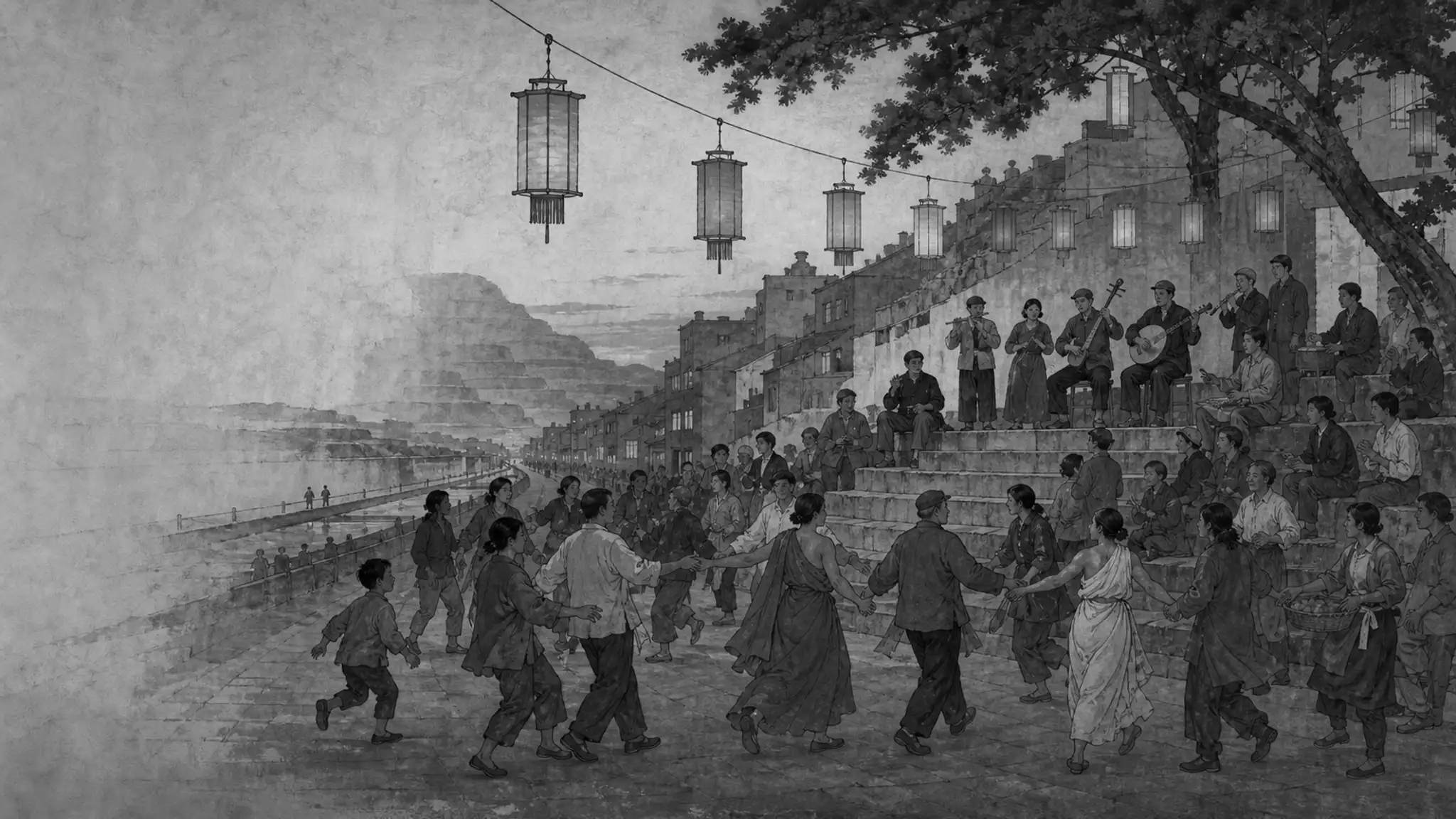
Longer reads, and related texts.
- LifeEducationEducation as a lifelong public good: routes, mobility, assessment, and civic understanding.
- LifeCommon MisunderstandingsPlain answers to concerns about authority, markets, religion, privacy, and everyday life.
- LifeYouth and MediaDevelopment, media literacy, attention, safety, and civic adulthood.